Executive Summary
This case study details a 16-month engineering internship at Dana, divided into two 8-month phases: Product Development for automotive battery cold plates and Material Research & Development. My experience provided me with a comprehensive exposure to the entire process of practical product engineering and how research worked in a global automotive thermal management solutions provider.
Company Background
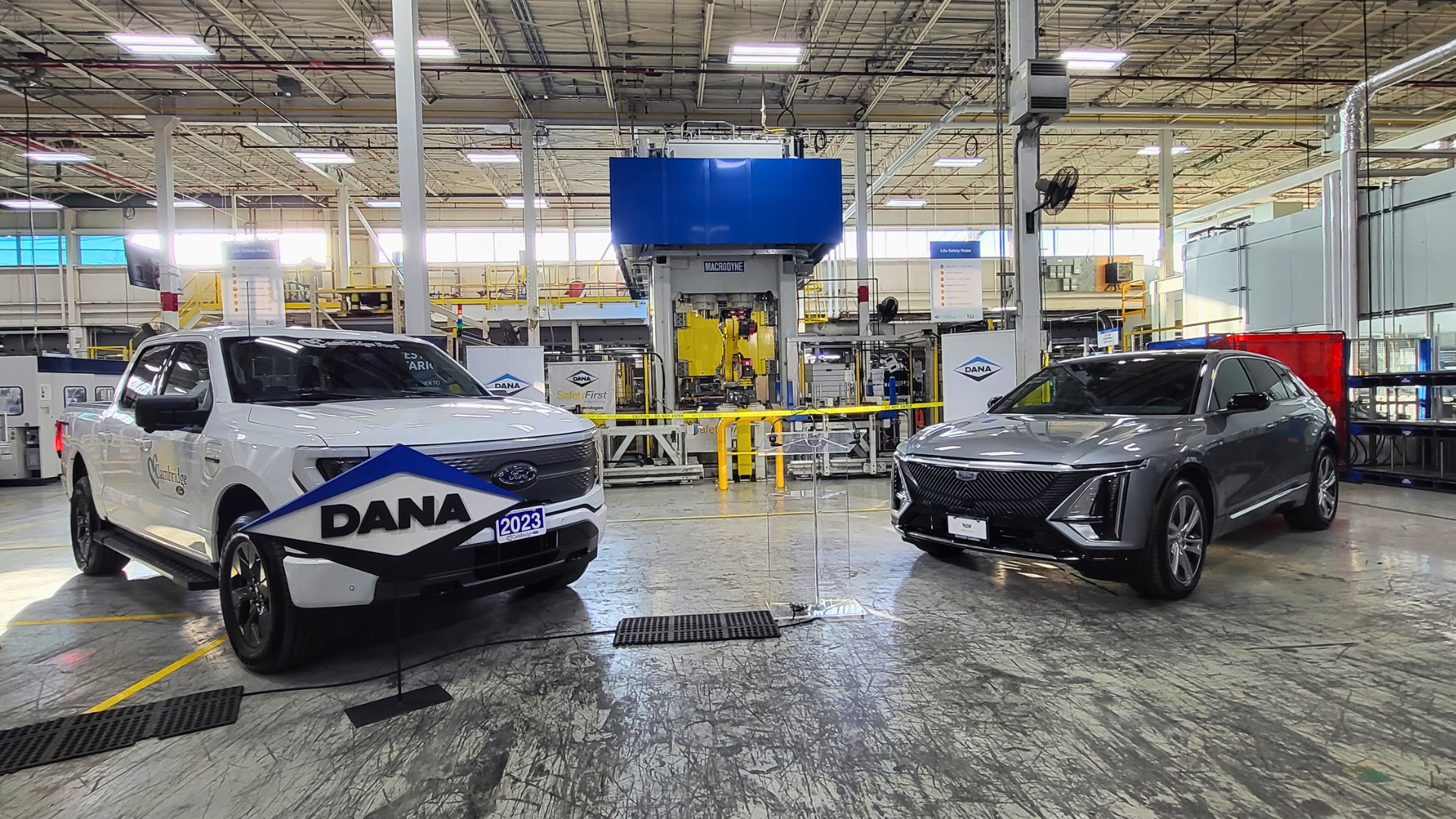
Dana Inc. is a global leader in providing power-conveyance and energy-management solutions for vehicles and machinery across various industries. The company specializes in drivetrain, sealing, and thermal management technologies that improve vehicle efficiency and performance.
The Dana Oakville facility specializes in R&D and manufacturing of prototype heat exchangers for electric vehicles. During my internship, I participated in every stage of the product development lifecycle: from testing efficiency improvements for manufacturing and products, to implementing cost-saving measures, and to creating small-scale production prototypes for Dana's clients.
Thermal Management in Electric Vehicles
The Critical Role of Cooling in EVs
Electric vehicles need effective cooling systems for a simple reason: batteries get hot.
Unlike traditional cars that have cooling systems mainly for the engine, EVs need cooling primarily for their batteries and electronics. Here's why cooling matters so much:
- Batteries work best at room temperature as they can lose power, charge slower, and wear out faster
- Fast charging creates substantial heat that needs to be removed quickly to prevent thermal runaway
- Electronic components that control the motor and power systems also need cooling to work properly
- Without an engine's waste heat, EVs need a different approach to keep passengers warm in winter while managing battery temperature
EV Cooling Components
There are several key components that work together to keep EVs cool:
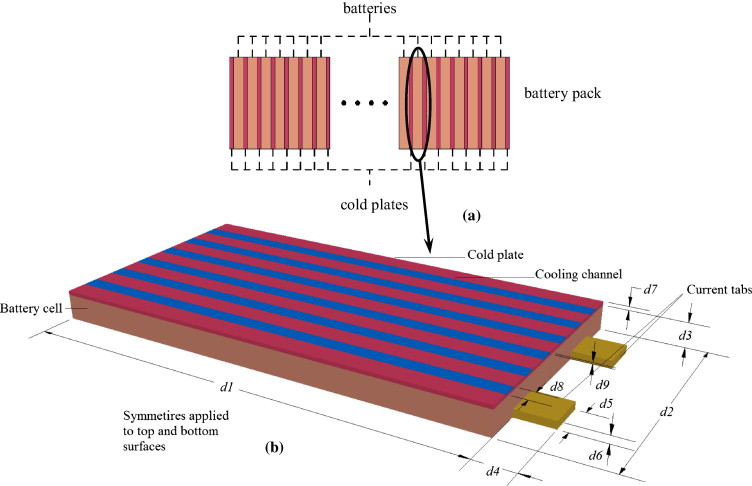
- Cold plates - metal plates with internal channels for coolant that sit directly against the battery pack to absorb heat
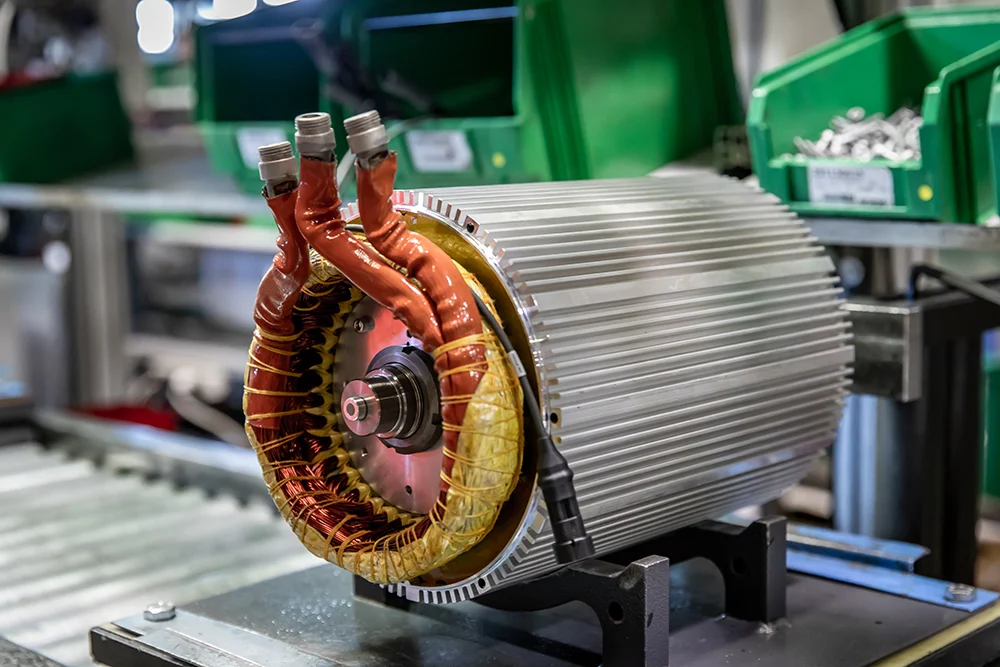
- Electric Motor Oil Cooler - specialized heat exchangers that maintain optimal operating temperature for the electric motor
- HV/LV Inverter Cooler - thermal management components that prevent overheating in power conversion systems
- Autonomous Driving Chip Cooling - dedicated cooling solutions for the high-performance processors that handle self-driving capabilities
Dana's Advanced Thermal Management Manufacturing
The Brazing Process: Creating Efficient Thermal Solutions
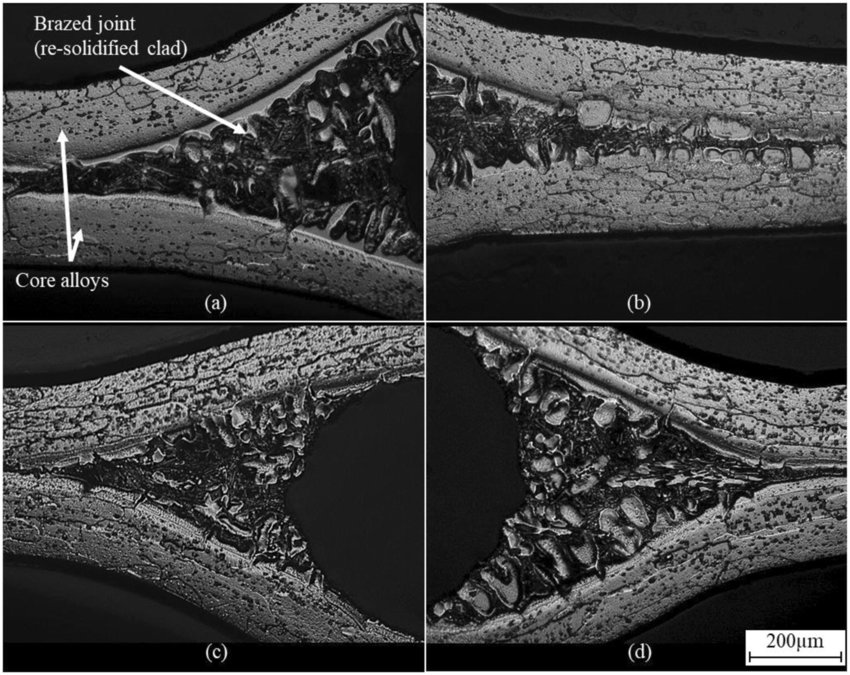
Brazing is a joining process that forms strong, leak-tight joints between metal components by melting a filler metal (brazing alloy) that flows into the joint through capillary action. Unlike welding, brazing doesn't melt the base metals but creates a metallurgical bond at temperatures typically above 450°C (840°F). This is one of many processes that allow for the creation of complex internal cooling channels required for effective battery thermal management.
Phase 1: Product Development (8 months)
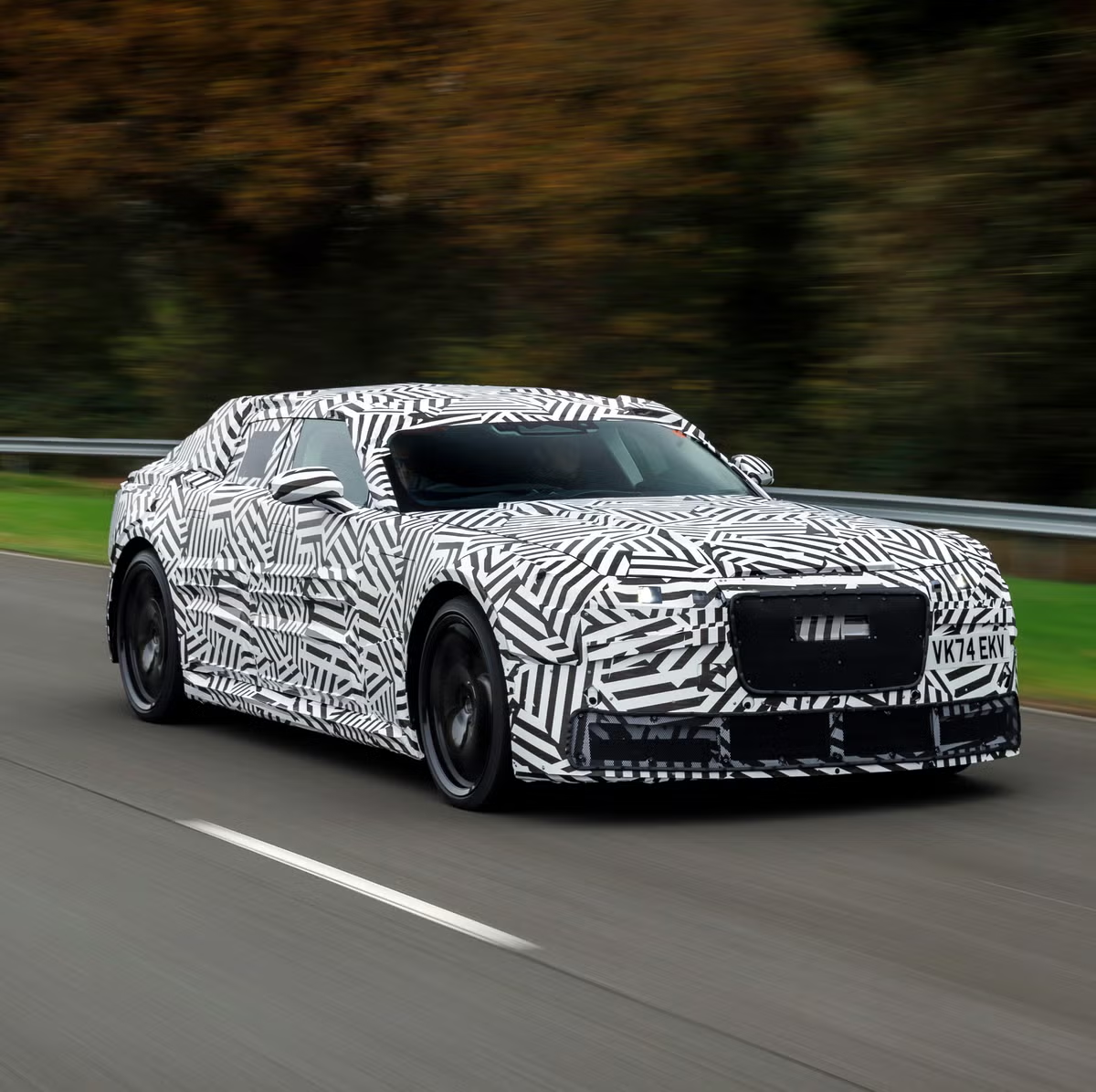
I was responsible for contributing to the design, testing, and optimization of battery cold plates for Jaguar Land Rover (JLR) and General Motors (GM) electric vehicle platforms. This involved working with cutting-edge EV technology and ensuring that thermal management solutions met the stringent safety and performance requirements of major automotive manufacturers.
Key Responsibilities
- Design support for thermal management systems specifically engineered for EV battery cooling applications
- CAD modeling and design iterations using PTC Creo parametric modeling software
- Thermal simulation and analysis to predict cooling performance using computational fluid dynamics (CFD)
- Prototype testing and validation across multiple performance and safety parameters
- Documentation of design specifications, test procedures, and results for regulatory compliance
- Cross-functional collaboration with manufacturing, simulation, materials, and quality assurance teams
Technical Challenges
Battery cold plates must meet rigorous automotive safety standards because any coolant leak or electrical short could trigger a large-scale fire and potentially lead to thermal runaway—a dangerous condition where the battery generates more heat than can be dissipated. These strict safety criteria apply to all design features and manufacturing aspects of the component.
This creates significant manufacturing challenges, as producing cost-effective, consistent parts that meet all safety requirements while maintaining a low scrap rate is exceptionally difficult. The challenge is compounded by the need to balance thermal performance, weight targets, cost constraints, and manufacturing feasibility. As a product development intern, my core responsibilities included:
- Designing and testing new feature modifications to improve performance or reduce costs
- Evaluating manufacturing methods to reduce production costs and improve efficiency
- Conducting comprehensive experiments on prototype parts to validate design concepts
For each prototype iteration, I performed various critical tests including:
- Underwater and nitrogen leak testing to ensure coolant containment integrity
- X-ray scanning to identify internal defects and braze joint quality
- Metallurgical analysis to examine grain structure and joint formation
- High potential (hipot) electrical testing to verify electrical isolation between coolant and battery
- Burst testing to determine failure pressure and safety margins
- Corrosion testing to evaluate long-term durability in automotive environments
All these parameters required careful management to ensure prototypes could transition smoothly to large-scale production with minimal complications, delays, and unexpected costs.
Projects Implemented
During my internship, I led development studies to optimize manufacturing processes and component design. I designed systematic experiments to improve features like fittings, coatings, and surface finishes, then used microscopic analysis and comprehensive testing to determine root causes when problems occurred.
These studies were some of the most engaging aspects of my internship. I explored new technologies Dana hadn't implemented, collaborated with interdisciplinary teams on manufacturing changes, and conducted brazing trials to validate concepts. My role involved determining feasibility of new ideas—whether for improving existing workflows or securing new contracts—and providing data-driven recommendations on advancing concepts to prototype development or discontinuing them early.
My most significant achievement was investigating an alternative assembly process that reduced per-part manufacturing costs by 15% while maintaining all performance and safety standards.

Experimentation and Testing
I designed and executed testing on EV battery cold plates, balancing cost, time, and effectiveness while managing independent projects. Key tests included:
- Pressure drop measurements to optimize coolant flow characteristics
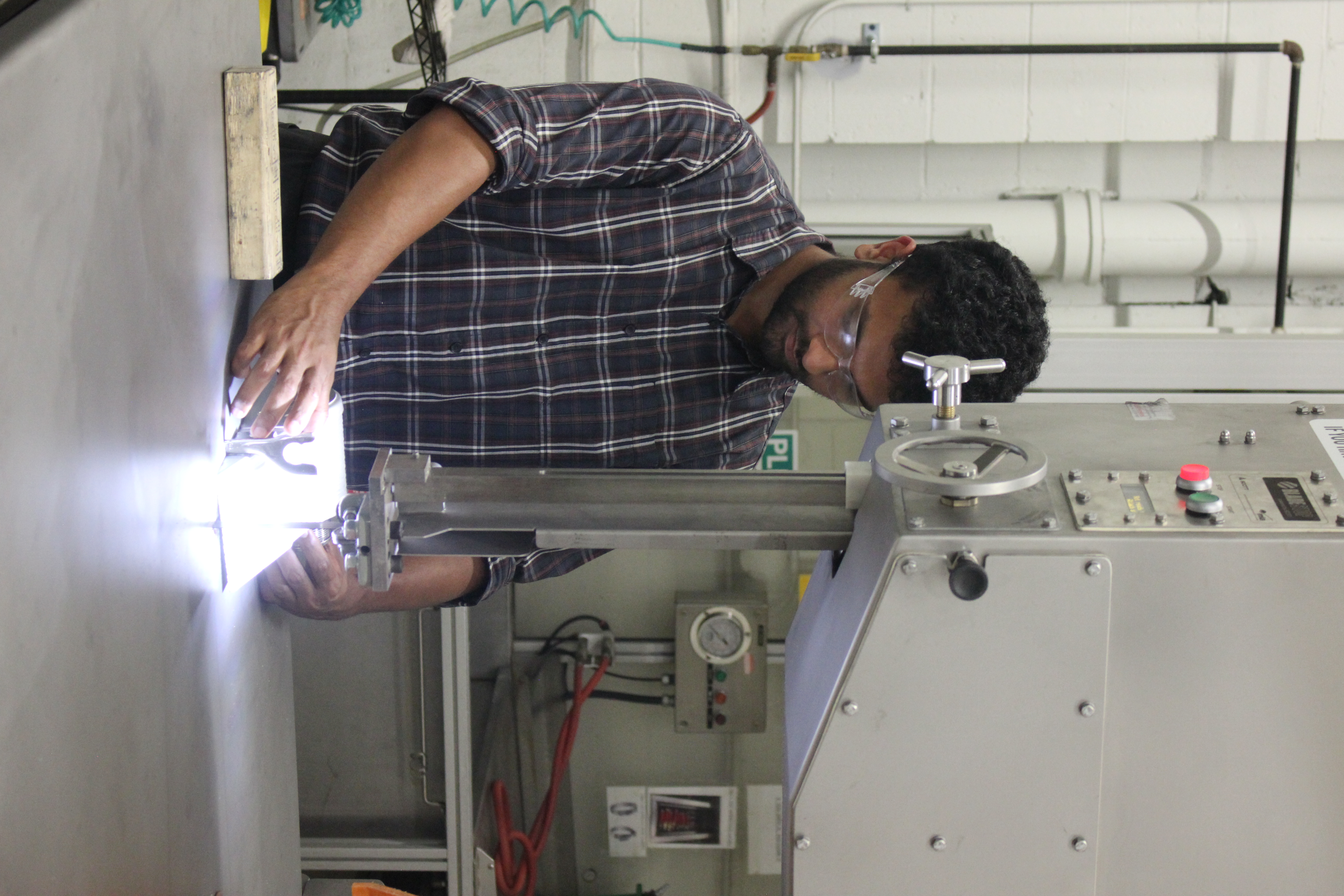
- High-voltage (hipot) electrical isolation testing to ensure safety compliance
- Leak testing using both pressurized air and helium detection methods
- Coating adhesion verification to ensure long-term durability
- Surface finish evaluation to meet customer specifications
Because of fire safety risks, all features had to exceed strict automotive standards. When supplier delays disrupted equipment availability, I personally processed all parts and conducted hipot tests to keep production on schedule.
Python Automation for GD&T Dimensional Tracking and Shipping
The quality assurance work involved extensive Excel documentation to track manufacturing history and compliance data between Dana and its automotive customers. This manual process required tedious copy-pasting of data across multiple Excel spreadsheets for hundreds of individual parts, consuming significant time that could be better spent on engineering analysis. My automation solution included:
- Developed a Python script on my own initiative using pandas and openpyxl libraries
- Automatically processed all part tracking data with error checking and validation
- Reduced a 4-hour manual task to just 20 minutes of automated processing
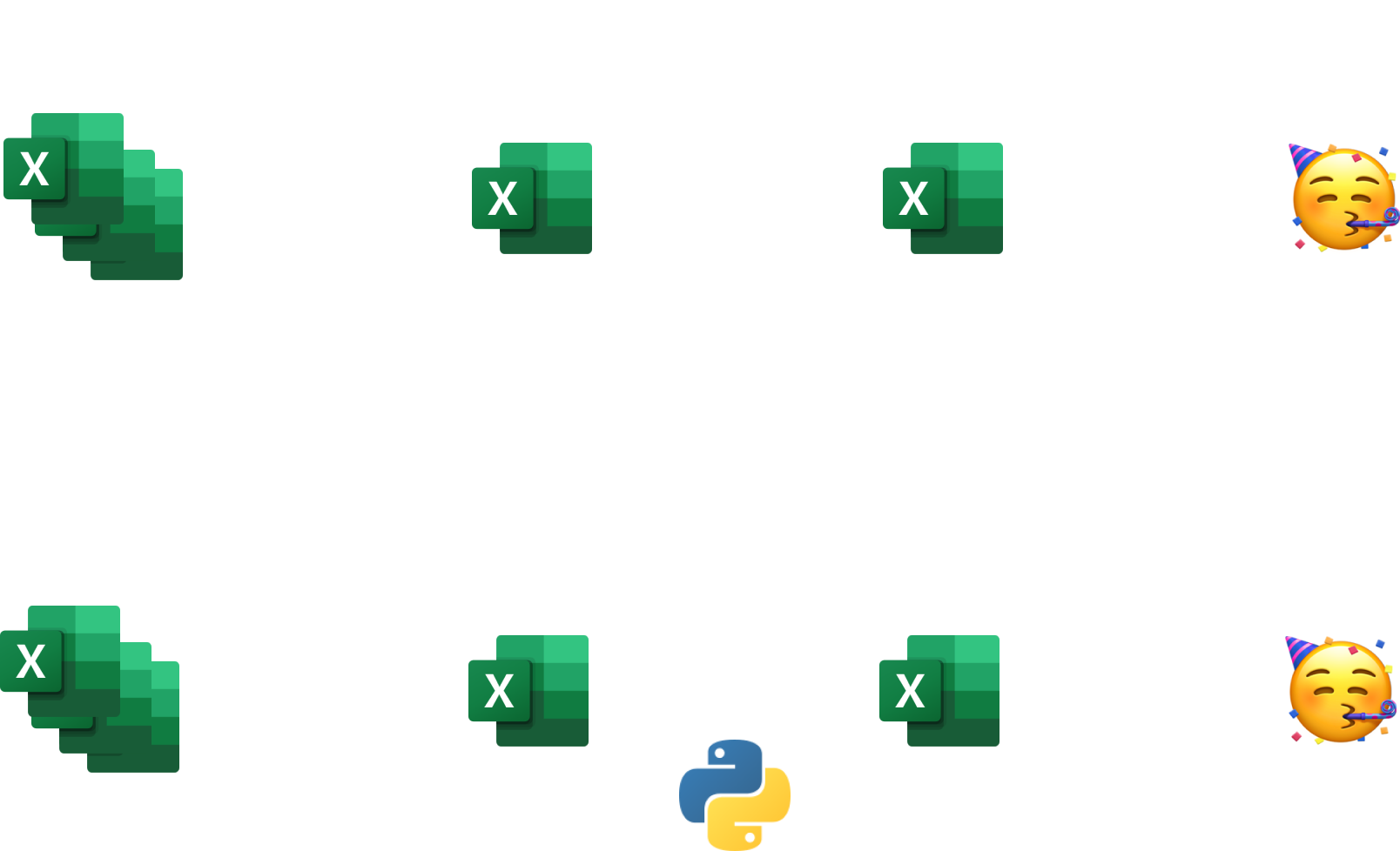
This automation not only saved time but also eliminated human errors in data entry and improved traceability of part history for customer audits.
Results & Achievements
- Developed and validated battery cold plate prototypes for GM and Jaguar Land Rover EV battery modules, conducting crucial safety testing on hundreds of parts to identify failure locations and root causes, preventing potential thermal runaway incidents in customer vehicles.
- Investigated alternative assembly processes that reduced per-part cost by 15% and automated GD&T dimensional tracking and shipping list updates using Python scripts, saving 4 hours of manual work weekly while improving data accuracy.
- Designed experiments and performed high-voltage hipot testing on 1,000+ parts, created custom test fixtures for efficient processing, and tracked shipping and testing progress to ensure electrical isolation compliance met automotive safety standards.
- Ensured prototypes met GD&T tolerance requirements, designed mechanical fixtures for assembly and testing procedures, and collaborated with manufacturing personnel to implement design improvements that enhanced production efficiency.
Phase 2: Material Research & Development (8 months)
Investigation of novel materials and advanced technologies to enhance thermal management solutions for automotive applications. This phase involved fundamental materials science research aimed at improving performance while reducing costs and environmental impact.
Key Responsibilities
- Literature review and competitive analysis of emerging thermal management materials and manufacturing processes
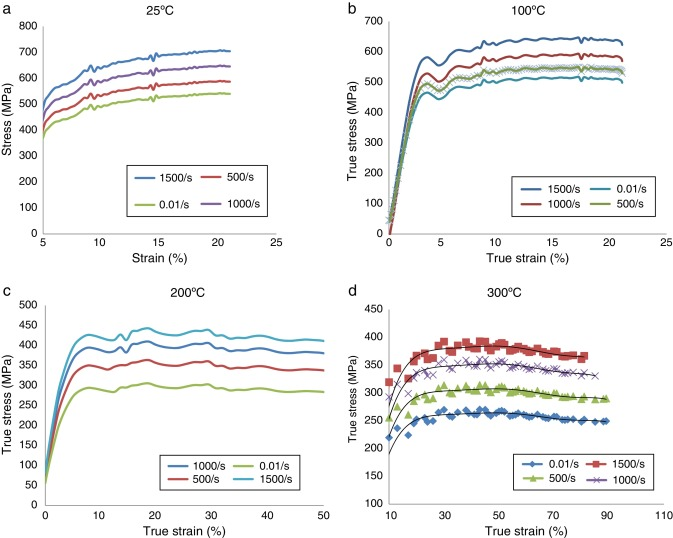
- Laboratory testing and characterization of aluminum alloy properties under various conditions
- Design of experiments (DOE) for systematic material performance evaluation and statistical analysis
- Data analysis and performance modeling using statistical software and engineering principles
- Preparation of technical reports and research summaries for management and engineering teams
- Collaboration with suppliers and research institutions to access cutting-edge materials and testing capabilities
The primary objectives for the materials team at Dana were to investigate new metal joining technologies, research cost-saving materials (cheaper, lighter, stronger, or thinner alternatives), and identify root causes of materials-related issues in production components worldwide.
Brazing Research
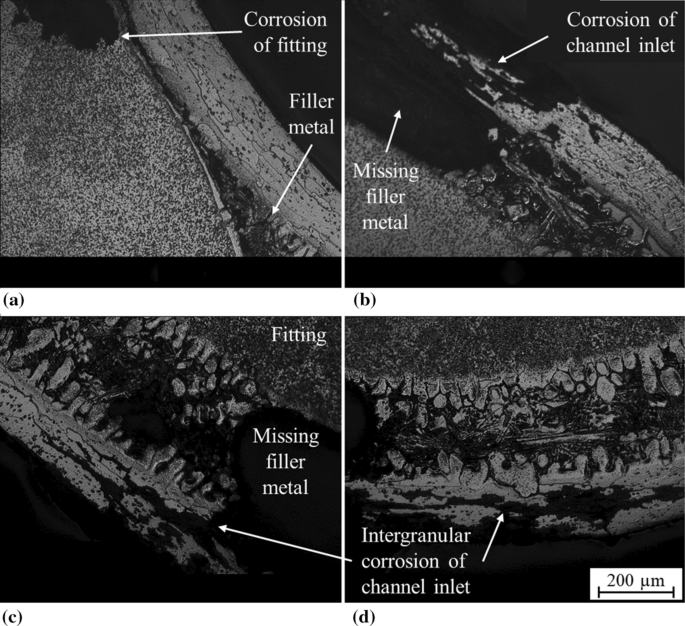
I researched aluminum alloy performance in heat exchanger brazing by replicating production conditions in mini furnaces, fabricating test coupons, and analyzing joint behavior with optical and electron microscopy. Trials varied parameters like temperature, atmosphere, and cooling rate to predict large-scale performance and identify risks such as poor joints, porosity, and leaks before production.
Metal Alloy Research
My metal alloy research involved comprehensive analysis of the mechanical and chemical properties of various aluminum and copper-based materials. Since brazing requires specific aluminum alloys with precisely controlled amounts of copper, magnesium, and silicon to achieve proper flow characteristics and joint strength, I conducted comprehensive validation testing spanning several months to ensure all safety and performance standards were met.
This extensive testing included:
- Ultimate tensile strength testing before and after brazing (following ASTM E8 standards) to quantify strength retention
- Thermal properties analysis including thermal conductivity and expansion coefficients
- Corrosion resistance evaluation under accelerated salt spray and coolant exposure conditions
- Grain structure and size analysis using metallographic techniques and image analysis software
Root Cause Analysis
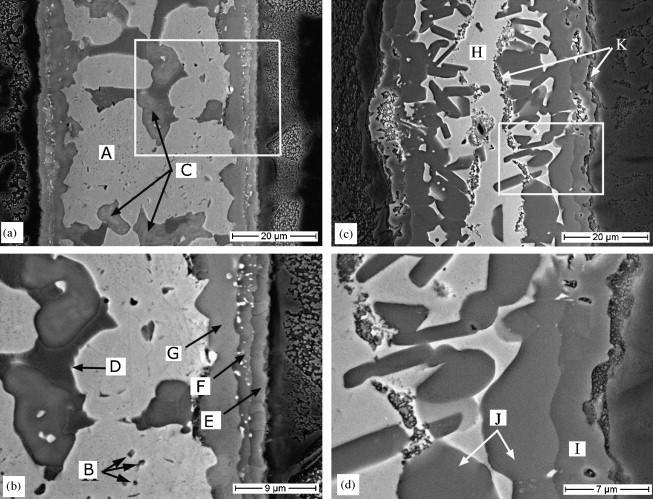
Root cause analysis formed another major component of my research work. I examined problematic brazed components from Dana's global production facilities through both non-destructive testing (NDT) and destructive analysis methods. By conducting hands-on testing and systematically examining differences between acceptable and defective parts, I successfully identified the root causes for several major production issues at the material and metallurgical level.
This work involved advanced characterization techniques including scanning electron microscopy (SEM), energy-dispersive X-ray spectroscopy (EDS), and X-ray diffraction (XRD) to understand failure mechanisms at the microstructural level.
Digital Image Correlation (DIC) Implementation
One particularly engaging project involved implementing Digital Image Correlation (DIC) technology in Dana's material testing laboratory. DIC is an advanced optical measurement technique that provides full-field strain and displacement measurements during mechanical testing, offering much more detailed information than traditional strain gauges.
Using this technology, I successfully:
- Created an initial proof-of-concept setup using existing cameras and open-source software
- Installed and configured appropriate DIC analysis software
- Developed a standardized testing protocol for consistent measurements
- Optimized camera settings and lighting conditions for maximum measurement accuracy
My proposal to upgrade this initial $0 setup to a professional $7,000 system was approved by management, providing significantly greater accuracy and measurement consistency for materials characterization work.
Results & Achievements
- Researched aluminum brazing characteristics and alloy properties to support global process improvements, including material replacements and downgauging initiatives, contributing to over $200K in cost reduction across Dana's manufacturing facilities worldwide.
- Conducted mechanical and metallurgical research on 1,000+ aluminum and copper alloy samples, systematically optimizing tensile strength, corrosion resistance, and thermal conductivity properties to inform material specifications and reduce manufacturing costs while maintaining performance.
- Implemented Digital Image Correlation (DIC) technology for precise strain measurement and developed Python-based material property databases, streamlining root-cause analysis workflows and accelerating resolution of factory issues across multiple production sites.
- Automated test data management using Python programming, enhancing data accuracy and consistency while saving 5 hours of manual work weekly, allowing more time for analysis and research activities.
Acknowledgments
Special thanks to the following people for providing valuable experiences and teaching me extensively about automotive manufacturinguring.